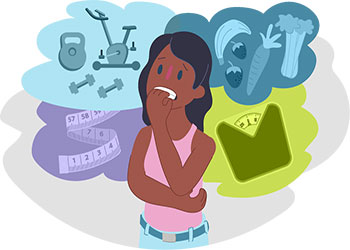
Body Image and Self-Esteem in Adolescence
Body image and self-esteem are deeply interconnected and become particularly important during adolescence, a phase marked by rapid physical and emotional development. A positive approach to self-esteem allows adolescents to care for themselves emotionally, physically, and spiritually, building resilience to navigate societal pressures. Research indicates that girls and women experience body dissatisfaction more frequently than boys and men, highlighting the need for targeted support.
Understanding Body Image
Body image refers to an individual’s perception, thoughts, and behaviors related to their appearance. It shapes how a person feels about their body and influences their confidence and actions. Adolescents with a healthy body image feel in control of their bodies and more confident in managing life challenges.
Types of Body Image
1. Positive Body Image:
Involves accepting, appreciating, and respecting the body.
Recognizes natural changes such as aging or weight fluctuations.
Leads to improved relationships, better mental and physical health, and higher success at school or work.
2. Negative Body Image:
Reflects dissatisfaction and criticism of one’s appearance.
Linked to low self-esteem, anxiety, and depression.
Signs:
Frequent body checking.
Constant comparison with others.
Seeking external validation.
Feeling shame or anxiety about appearance.
Resorting to extreme measures to change the body.
3. Neutral Body Image:
Views the body as a functional tool rather than an object to be judged.
Focuses on health and well-being over appearance.
Encourages acceptance even if loving the body is difficult.
Body Image Disorders
1. Body Dysmorphic Disorder (BDD):
Obsessive focus on perceived flaws in appearance.
2. Eating Disorders:
Conditions like anorexia nervosa or bulimia are often tied to body dissatisfaction and the desire to meet unrealistic standards.
Factors Influencing Body Image in Adolescence
1. Physical Changes:
Adolescents experience rapid growth spurts, weight changes, and hormonal fluctuations, making them prone to self-comparison and insecurity.
2. Peer Pressure:
Friends and social groups often reinforce certain body standards, increasing body dissatisfaction.
3. Parental and Family Influence:
Comments or behaviors about weight, appearance, or diet from family members can significantly shape adolescents’ self-image.
4. Social Media and Media Influence:
Adolescents are exposed to idealized and often unrealistic body types portrayed in magazines, TV, and social media.
Comparisons with edited images lead to feelings of inadequacy.
5. Mental Health:
Poor body image can exacerbate anxiety, depression, or eating disorders.
Unhealthy coping mechanisms like extreme dieting, over-exercising, or social withdrawal may develop.
6. Cultural and Societal Expectations:
Adolescents often struggle to meet societal ideals of beauty and body shape, leading to a sense of inadequacy.
Promoting Positive Body Image and Self-Esteem in Adolescents
Management Strategies
1. Encourage Open Conversations:
Provide a safe, non-judgmental space for adolescents to share their thoughts and feelings.
2. Promote Healthy Body Standards:
Shift the focus to physical and mental well-being rather than achieving a specific look.
3. Balanced Nutrition:
Encourage a healthy diet to fuel the body and mind.
4. Involvement in Activities:
Promote hobbies and activities that build confidence and self-esteem while diverting attention away from appearance.
5. Practice Self-Compassion:
Teach adolescents to treat themselves with kindness and acceptance, especially during times of struggle.
6. Limit Media Exposure:
Encourage critical thinking about media and reduce time spent consuming unrealistic beauty standards.
7. Foster a Supportive Environment:
Surround adolescents with positive role models who value diversity and individuality.
8. Seek Professional Help:
Cognitive Behavioral Therapy (CBT) or mindfulness practices can help adolescents develop healthier attitudes toward their bodies.
Conclusion
Body image and self-esteem are critical components of adolescent development. By fostering open communication, promoting healthy habits, and challenging societal norms, caregivers and educators can support adolescents in building a positive and resilient self-image during this transformative stage of life.